
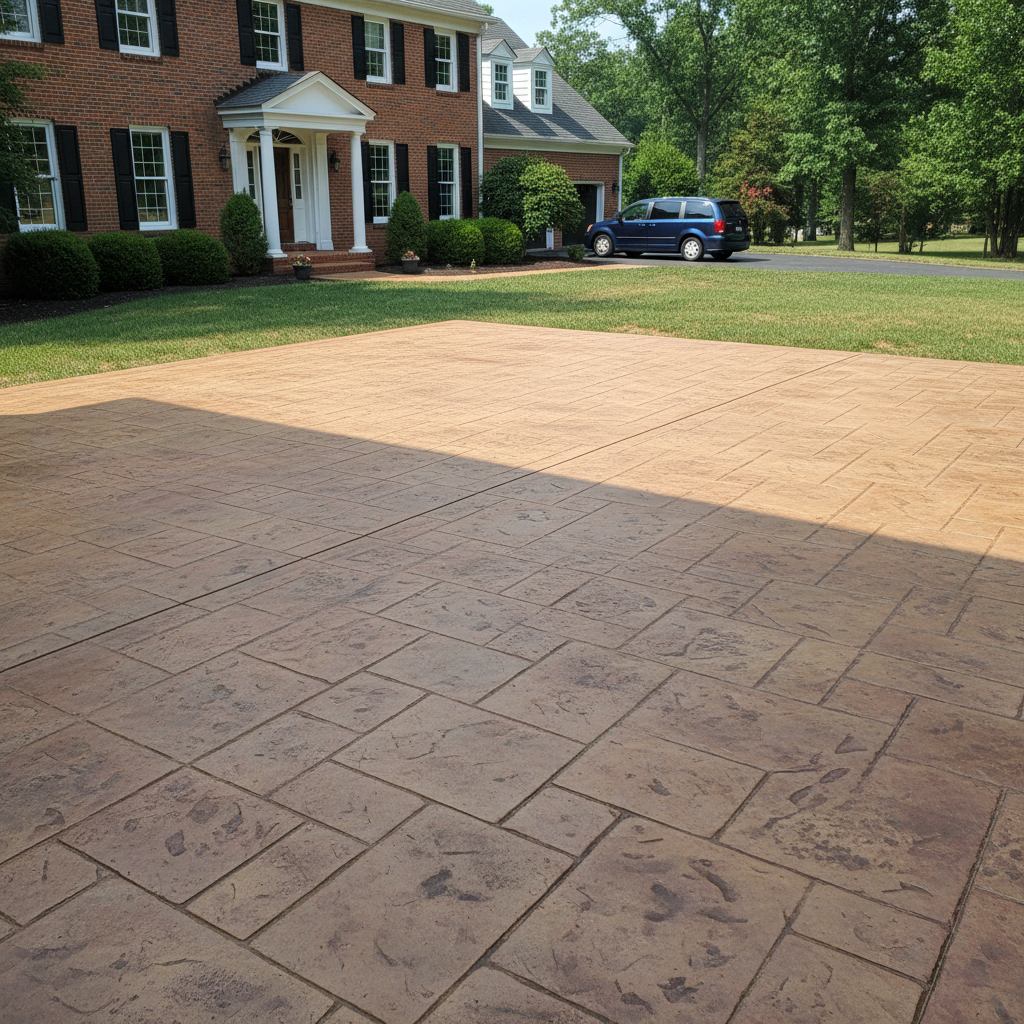
Concrete work looks simple from the sidewalk. Somebody builds forms, pours gray stuff, and a few days later there's a driveway. What you can't see from the sidewalk is the gravel base underneath, the mix design, the rebar, and whether anyone bothered to think about how deep the frost goes here. That's where jobs go wrong, and it's usually invisible until year two or three, when the slab cracks, heaves, or starts pitting.
Start with licensing and insurance, not price
Pennsylvania doesn't license concrete contractors the way it licenses electricians, but any home improvement contractor doing work over $5,000 in this state is supposed to be registered with the Attorney General's office under the Home Improvement Consumer Protection Act. Ask for that registration number. It costs a contractor almost nothing to get and tells you they've at least cleared a basic hurdle.
Insurance matters more. Ask to see a certificate of general liability and workers' comp. If a crew member breaks an ankle lifting a wheelbarrow of wet concrete on your property and the company has no comp coverage, that liability can land on you as the homeowner. A legitimate outfit will hand over a certificate without acting like you insulted them.
What a real estimate actually spells out
A one-line quote that says "driveway, $7,200" tells you nothing. A proper bid for flatwork should name the thickness, usually 4 inches for a walkway or patio and 6 inches for a driveway that'll carry a car, and sometimes more if it's a garage floor rated for a lift or heavy equipment. It should name the PSI strength, generally 3,500 to 4,000 PSI for exterior flatwork in this climate, and whether it's air-entrained. Air entrainment is the small bubbles mixed into the concrete that give water room to expand when it freezes. Skip it and you're betting against forty or fifty freeze-thaw cycles a winter in the Lehigh Valley, and the slab usually loses that bet within a few seasons.
The bid should also say whether it's rebar or wire mesh, and how many inches of compacted stone go under the slab before any concrete gets poured. A 4-inch base of crushed stone, compacted in lifts, is standard for driveways here. Contractors who skip the compaction step to save a day are setting up settling cracks that show up once the ground thaws and refreezes a couple times.
The ground and weather in Easton change the job
Easton sits where the Lehigh and Delaware rivers meet, and the ground varies block to block more than people expect. Up on College Hill you're often dealing with shallow bedrock and shale close to the surface, which affects how deep footings can go and sometimes means extra excavation cost nobody budgeted for. Down in the West Ward and parts of South Side, a lot of those rowhome lots have been built on and backfilled since the late 1800s, so it's not unusual to hit old foundation rubble, a buried cistern, or fill that wasn't compacted the way anyone would do it today. Out in the newer developments in Palmer, Forks, or Bethlehem Township, the soil tends to be more consistent clay loam over a graded subgrade, which is easier to work with but still holds water if the grading's off.
Frost depth around here runs roughly 36 inches, and any footing for a porch, steps, or retaining wall needs to go below that line or it will heave. A patio slab floating on grade doesn't need to go that deep, but it does need proper base prep or it'll crack along uneven settling by the second winter. A contractor who's worked this valley for any length of time should be able to tell you, without you asking, how frost and clay soil factor into your specific lot.
Permits and the city or township you're actually in
Easton doesn't route this through the county. Permits for a new driveway, a slab foundation, or a retaining wall over a certain height go through whichever municipality you're in, the City of Easton code office, or the township office if you're in Palmer, Forks, Wilson, or Williams Township. Each one has its own setback rules and, increasingly, its own impervious coverage limits, meaning how much of your lot can be covered in concrete or asphalt before stormwater runoff becomes the township's problem instead of yours. If a contractor tells you no permit is needed for a driveway replacement, check that yourself before you believe it, because the answer depends on whether you're expanding the footprint, not just replacing what's there. HOAs are common in some of the newer subdivisions and they often have their own approval process on top of the township's, so factor in extra time if that applies to you.
Signs you should walk away
- They want full payment in cash before any work starts. A deposit is normal. The whole job up front is not.
- They never ask to see the site before quoting a price. Soil conditions, slope, and access for a concrete truck all change the cost, and a phone quote skips all of it.
- They offer to pour new concrete directly over a cracked or heaved slab without addressing why it cracked. That just buries the problem under a new layer that'll crack the same way.
- They won't put a mix design, thickness, or rebar spec in writing. Verbal promises don't help you later when the slab spalls.
- They rush you to sign that day with a discount that disappears tomorrow. Real contractors are usually booked out, not scrambling for same-day signatures.
What to ask before you sign anything
Ask how many days before you can walk on the new concrete, and how many before you can drive on it. Seven days is typical before light foot traffic, and most driveways need seven to ten days of cure time before a vehicle sits on them, with full strength closer to 28 days out. Ask when they'll saw-cut the control joints. That should happen within 24 to 48 hours of the pour, while the slab is still green enough to cut cleanly but firm enough to hold a joint. Those joints are there so the slab cracks where you want it to, not wherever it feels like.
Ask what happens if it rains on pour day or the temperature drops below 40 degrees, which happens plenty in an Easton spring or late fall. A contractor with experience here has a plan for cold-weather pours, usually blankets or heated enclosures, rather than just hoping it works out.
A good contractor answers these questions without flinching, because they've answered them a hundred times. If you want to see how we handle base prep, mix specs, and local permitting on driveways, patios, foundations, and repair work, our concrete contractor page walks through it in more detail.